
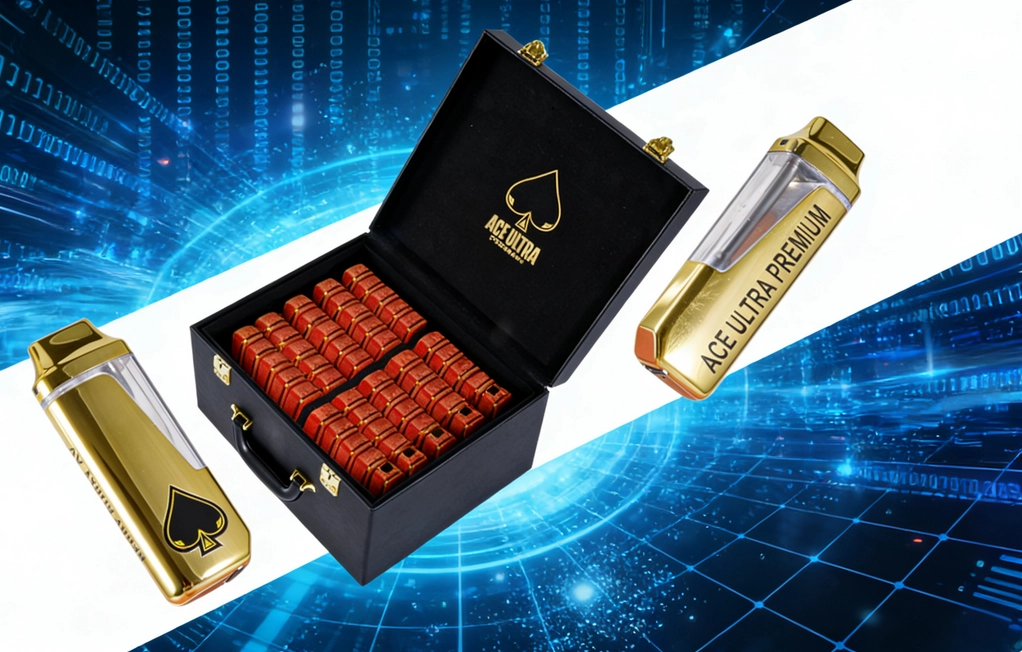
Exploring the Benefits of Using Vape Cartridges for Cannabis Consumption (TOFU) — with ace vape hardware in mind
Who this is for: curious buyers and first-time category researchers comparing cannabis consumption methods at a high level. We focus on how vape cartridges work, why many consumers prefer them, and which engineering features (e.g., ceramic coils, voltage control) shape the experience. No regulations here—just product and science.
What a vape cartridge is (and how it works)
A vape cartridge is a sealed, pre-filled (or fillable) oil tank that mates with a small battery (stick pen, palm, or pod). Inside the cartridge, a wick + coil draws and heats the oil just enough to produce an aerosol—without burning plant material. Compared with smoking flower (combustion), vaporization delivers cannabinoids with far less carbon monoxide exposure while achieving similar plasma THC levels in controlled studies. :contentReference[oaicite:0]{index=0}
Top benefits versus smoking flower
- Cleaner delivery (no combustion by-products) — In a clinical crossover study using a medical vaporizer, participants showed significantly lower expired carbon monoxide after vaporization than after smoking the same cannabis dose, while achieving comparable THC in blood. :contentReference[oaicite:1]{index=1}
- Efficient, noticeable effects at lower settings — A randomized, double-blind trial (Johns Hopkins) found that vaporized cannabis produced stronger pharmacodynamic effects and higher blood THC concentrations than equal smoked doses in infrequent users—evidence that controlled heating can feel “stronger per milligram.” :contentReference[oaicite:2]{index=2}
- Flavor & aroma fidelity — Because cartridges heat oil below combustion temperatures, more native volatiles make it to the palate. Contemporary work also cautions that many widely shared “boiling points” are oversimplified; what matters in practice is vapor pressure and temperature control across a realistic range, which well-tuned devices provide. :contentReference[oaicite:3]{index=3}
- Consistent puffs, portable form factor — Standardized puffing regimens (≈55 mL, 3 s, every 30 s) are used by labs to compare devices and settings; this same mindset helps buyers evaluate hardware for consistent day-to-day use. :contentReference[oaicite:4]{index=4}
- Less odor and simpler routine — No grinding, rolling, or ash; cartridges are clean to store and quick to swap, which is why many newcomers start here (TOFU behavior).
Why temperature & voltage matter (the short science)
Coil power follows W = V²/R. With a common ceramic cartridge coil (≈1.2–1.6 Ω), stepping from 3.2→3.8→4.2 V typically moves you from ~7→10→13 W—warmer, denser vapor if wicking keeps up. Controlled studies show that raising power (or temperature) can increase aerosol yield and intensify effects; pushing too far risks harshness and thermal degradation of volatiles. :contentReference[oaicite:5]{index=5}
On the chemistry side, newer analyses emphasize that cannabinoids and terpenes don’t have single, magic “boiling points” in real-world vaping; instead, volatilization happens over a span and depends on vapor pressure and matrix—so moderate, well-regulated temperatures preserve flavor while delivering actives. :contentReference[oaicite:6]{index=6}
At very high temperatures (e.g., hot dabbing conditions), terpene mixtures can increase total VOC formation compared with pure THC, underscoring the value of cartridge systems that avoid extreme heat spikes. :contentReference[oaicite:7]{index=7}
Where ace vape hardware fits in (empty hardware perspective)
- Ceramic micro-porous coils for even heat and stable wicking of viscous oils (reduces “dry” hits when tuned correctly).
- Voltage-select batteries (stick/palm) that let users find the “sweet spot” for their oil: cooler for terpene-forward flavor, slightly warmer for density—within the coil’s safe window. Evidence shows vaporized doses can feel stronger than smoked at the same nominal THC, so starting low is smart. :contentReference[oaicite:8]{index=8}
- 510 compatibility so buyers can pair different carts and batteries without changing routines; standardized puffing (≈55 mL/3 s) is a practical way to compare options. :contentReference[oaicite:9]{index=9}
Cartridges vs. other routes (quick TOFU comparison)
| Route | Onset | Key Notes |
|---|---|---|
| Vape cartridge | Minutes | Efficient delivery; stronger subjective effects at equal THC dose vs. smoking in lab data; lower CO than smoking. :contentReference[oaicite:10]{index=10} |
| Smoking flower | Minutes | Fast onset but introduces combustion by-products including CO and tar; classic ritual factor. :contentReference[oaicite:11]{index=11} |
| Edibles | 30–120 min | Longer, variable onset; different metabolic pathway (11-OH-THC). (Background synthesis; see broad reviews.) :contentReference[oaicite:12]{index=12} |
Practical tuning tips for first-time buyers (TOFU)
- Start low, step slowly. Begin at the lowest voltage setting; take a 3 s draw; wait and assess warmth, flavor, and smoothness. Vaporized cannabis can feel stronger than smoked at the same nominal dose. :contentReference[oaicite:13]{index=13}
- Chase flavor, not heat. If taste fades or turns harsh, back the voltage down—flavor compounds volatilize across a range and degrade at excess heat. :contentReference[oaicite:14]{index=14}
- Keep draws consistent. Using a ~55 mL/3 s “benchmark puff” helps you compare cartridges and voltages apples-to-apples. :contentReference[oaicite:15]{index=15}
Key takeaways
- Cartridges deliver cannabinoids efficiently without combustion, lowering CO exposure vs. smoking. :contentReference[oaicite:16]{index=16}
- Vaporized doses often feel more potent at the same THC amount than smoked, so gentle dialing is wise—especially for new users or new oils. :contentReference[oaicite:17]{index=17}
- Temperature control safeguards flavor and avoids unnecessary thermal by-products; modern analyses recommend thinking in ranges, not single “boiling points.” :contentReference[oaicite:18]{index=18}
Selected research (for your deck)
- Abrams et al. clinical crossover: Vaporization vs. smoking — similar plasma THC; CO significantly lower with vaporization. :contentReference[oaicite:19]{index=19}
- Spindle et al., Johns Hopkins randomized trial: vaporized cannabis produced stronger effects and higher blood THC than equal smoked doses in infrequent users. :contentReference[oaicite:20]{index=20}
- Eyal 2022/2023: Vapor pressure & vaping — correcting common misconceptions about cannabinoid/terpene “boiling points.” :contentReference[oaicite:21]{index=21}
- Meehan-Atrash 2021 (RSC): terpene + THC mixtures at very high temps can increase VOC formation (context: dabbing), highlighting the value of controlled cartridge temps. :contentReference[oaicite:22]{index=22}
- National Academies 2017 overview for broad health-effects context (useful background for teams building education content). :contentReference[oaicite:23]{index=23}
Note: This article is informational and focuses on product engineering and user experience. It does not offer medical advice.
::contentReference[oaicite:24]{index=24}
People can find vape bulk in following pages: ace packman wholesale | wholesale ace packman disposable | custom 2ml thc vape
0 Comments