
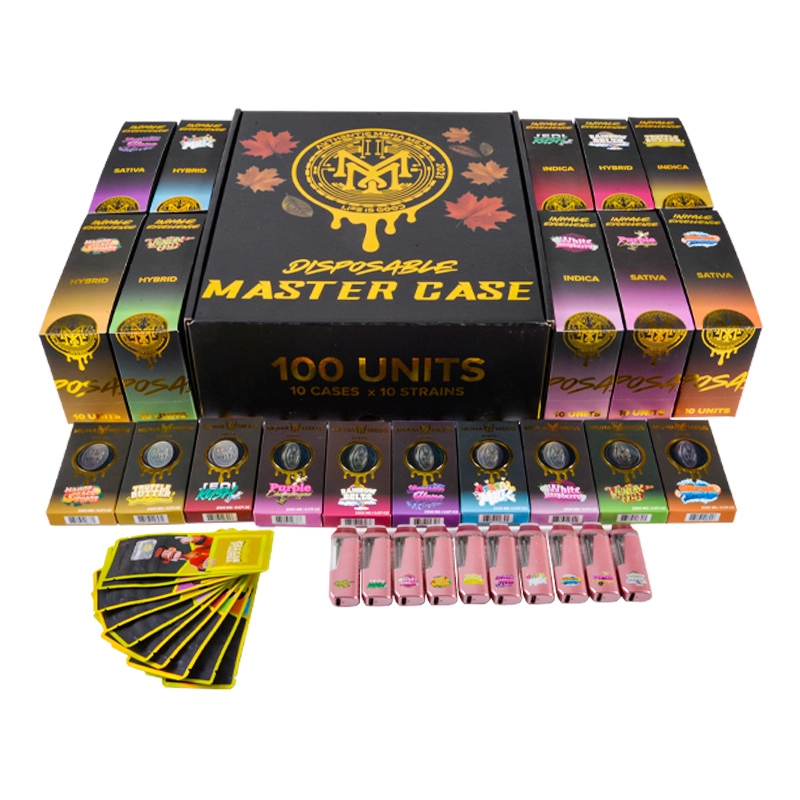
Exploring the Benefits of Using “Empty Muha” Hardware for DIY Vape Projects (2025 Compliance-First Guide)
Scope & Naming: “Empty Muha” in this article refers to empty, logo-free shells that resemble popular AIO/disposable formats. It does not imply brand affiliation or authorization. Always comply with intellectual-property, safety, and local laws.
Why builders choose “empty muha” shells
For legal DIY/R&D projects (e.g., work with permitted non-nicotine bases or botanical aerosols), empty shells let you control coil type, materials, and QC—without paying for prefilled contents. In 2025, the real edge comes from pairing that control with provable safety and logistics compliance: UL 8139 device safety, IEC 62133-2 cell safety, UN 38.3 test summaries for transport, and clean materials under RoHS/REACH. :contentReference[oaicite:0]{index=0}
Benefits you can realize (with 2025-ready guardrails)
1) Electrical & battery safety you can specify
UL 8139 evaluates the electrical, heating, battery and charging systems of e-cig/vape devices and is recognized by ANSI/SCC. Requiring UL 8139-evaluated designs reduces hazards such as battery thermal events and electric shock. Pair that with cells that meet IEC 62133-2 (portable Li-ion safety tests) for more predictable thermal behavior. :contentReference[oaicite:1]{index=1}
2) Shipping that actually clears
Any device with Li-ion cells must pass UN 38.3 design tests and provide a UN 38.3 Test Summary on request. Air shipments must follow the IATA 2025 Lithium Battery Guidance and 66th-edition DGR, including SoC limits and marking/packing instructions (e.g. UN 3481 “contained in/packed with equipment”). Carriers routinely reject loads without compliant documentation. :contentReference[oaicite:2]{index=2}
3) Cleaner substance profile & market access
Empty shells are EEE, so EU RoHS restricts hazardous substances (heavy metals, certain flame retardants/plasticisers). In parallel, screen parts against the REACH SVHC Candidate List to avoid late disclosures or listing blocks. Keeping declarations current improves marketplace acceptance. :contentReference[oaicite:3]{index=3}
4) End-of-life clarity (EU WEEE & U.S. EPA)
If you sell in the EU/UK, plan for WEEE producer responsibility (registration, take-back, reporting). In the U.S., EPA highlights fire risks from mismanaged Li-ion and provides collection/recycling guidance and a 2025 toolkit—use this language in customer comms and returns. :contentReference[oaicite:4]{index=4}
5) Optional packaging safety signal (where applicable)
For consumer-facing refills or kits (not empty shells alone), you may need ISO 8317 child-resistant packaging evidence. The standard defines performance tests using child and senior panels and is widely referenced across markets. :contentReference[oaicite:5]{index=5}
| Domain | What to ask for | Why it matters |
|---|---|---|
| Device safety | UL 8139 evaluation/cert | Assesses electrical, heating, charging systems; reduces fire/shock risks. :contentReference[oaicite:6]{index=6} |
| Cell safety | IEC 62133-2 test report | Portable Li-ion safety under intended & foreseeable misuse. :contentReference[oaicite:7]{index=7} |
| Transport | UN 38.3 Test Summary + IATA DGR | Mandatory test documentation & air-cargo rules to avoid rejections. :contentReference[oaicite:8]{index=8} |
| Materials | RoHS DoC + REACH SVHC screening | Lower heavy-metal/chemical risk; smoother market access. :contentReference[oaicite:9]{index=9} |
| EoL | WEEE producer plan / EPA guidance | Legal take-back in EU; U.S. fire-safe collection & recycling. :contentReference[oaicite:10]{index=10} |
6) U.S. market wording: components/parts vs. accessories
If your empty hardware is intended for nicotine use, the FDA’s 2016 Deeming Rule treats components or parts of ENDS as tobacco products subject to CTP authority; accessories are treated differently. This affects how you describe, label, and market empty shells. :contentReference[oaicite:11]{index=11}
Compliance checklist for “empty muha” RFQs (copy-paste)
- Safety: Device evaluated to UL 8139; cell tested to IEC 62133-2. Request certs/reports. :contentReference[oaicite:12]{index=12}
- Transport: Provide UN 38.3 Test Summary and pack to IATA 2025 DGR (correct PI, SoC limits, labels/marks). :contentReference[oaicite:13]{index=13}
- Materials: EU RoHS DoC; REACH SVHC screening (latest Candidate List). :contentReference[oaicite:14]{index=14}
- End-of-life: EU WEEE registration/marking (if applicable); U.S. customer disposal instructions per EPA Li-ion guidance. :contentReference[oaicite:15]{index=15}
- Packaging (if consumer-facing kits): Child-resistant evidence per ISO 8317. :contentReference[oaicite:16]{index=16}
- Wording: Avoid third-party trademarks; describe as “empty, logo-free shells” and follow FDA’s components/parts guidance where relevant. :contentReference[oaicite:17]{index=17}
Quick FAQ
Is it legal to sell “empty muha” hardware?
It can be, depending on jurisdiction and claims. In the U.S., ENDS “components/parts” fall under FDA tobacco authorities even when sold empty; “accessories” are different. Avoid brand logos or look-alike trade dress without permission. Consult counsel for your markets. :contentReference[oaicite:18]{index=18}
What documents do freight forwarders actually request?
Expect the UN 38.3 Test Summary, battery Wh rating, and IATA-compliant labels/marks. Many rejections trace back to missing test summaries or incorrect SoC/PI usage. :contentReference[oaicite:19]{index=19}
Should we include disposal guidance for buyers?
Yes. EPA advises against putting Li-ion batteries/devices in household trash, recommends taped terminals/bagging, and provides a 2025 toolkit for safe collection. Include this in post-purchase emails and PDPs. :contentReference[oaicite:20]{index=20}
Authoritative sources (2024–2025)
- UL — E-Cig and Vape Battery & Electrical Certification (UL 8139). :contentReference[oaicite:21]{index=21}
- UL — UL 8139 recognized as industry standard. :contentReference[oaicite:22]{index=22}
- IEC — IEC 62133-2:2017 (overview). :contentReference[oaicite:23]{index=23}
- Intertek — IEC 62133 overview. :contentReference[oaicite:24]{index=24}
- PHMSA — Lithium Battery Test Summaries (policy page) & 2024 TS brochure. :contentReference[oaicite:25]{index=25}
- IATA — Lithium Battery Guidance Document 2025 (PDF) & DGR lithium batteries portal. :contentReference[oaicite:26]{index=26}
- European Commission — RoHS Directive (official page) & Directive 2011/65/EU details. :contentReference[oaicite:27]{index=27}
- ECHA — REACH SVHC Candidate List & SVHC process. :contentReference[oaicite:28]{index=28}
- European Commission — WEEE Directive overview & 2025 evaluation note. :contentReference[oaicite:29]{index=29}
- U.S. EPA — Used Lithium-Ion Batteries (Do not bin) & Battery Collection Best Practices Toolkit (2025). :contentReference[oaicite:30]{index=30}
- ISO — ISO 8317:2015 child-resistant packaging & consumer summary. :contentReference[oaicite:31]{index=31}
- FDA CTP — Deeming Regulations page & Federal Register final rule & FAQ (components/parts vs accessories). :contentReference[oaicite:32]{index=32}
Keyword focus used: empty muha — included in H1 and throughout body copy with user-safety and compliance context.
::contentReference[oaicite:33]{index=33}
People can find thc vape in following pages: 2g disposable vape | custom muha meds 2 gram | muha meds master case bulk
0 Comments