
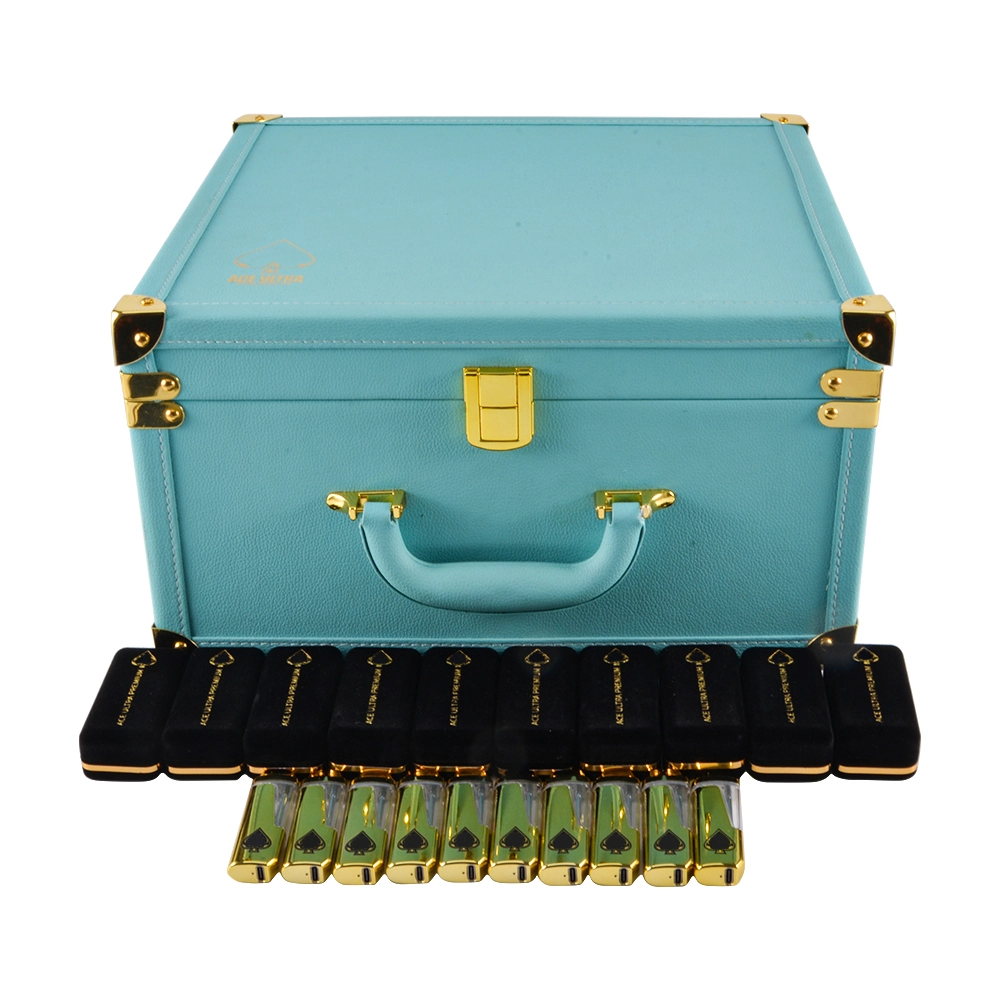
Exploring the Benefits of Aces Disposable Vapes: Why They Stand Out in the Market
What “Aces disposable” means in this guide
Here, “aces disposable” refers to modern disposable vape hardware platforms marketed under Aces/ACE-family device lines—empty, brand-ready shells designed for compliant, professional filling and distribution. We focus on engineering, documentation, and logistics—not consumables.
Why Aces disposables stand out
Leak-resistant architecture
Precision tolerances, improved seals, and capillary pathways reduce condensate migration and spit-back risk, cutting RMAs and after-sales costs for distributors.
USB-C with protections
Integrated battery protection (OVP/OCP/OTP) and charge management aligned with category safety expectations for e-cig electrical systems. See UL 8139 scope for applicable electrical-system requirements. :contentReference[oaicite:0]{index=0}
Smart UX options
Screen/puff counter, pre-heat, and indicator logic aid QC and end-user transparency without exposing firmware menus to casual misuse.
Materials stewardship
Component selection aimed at RoHS restricted substances compliance (lead, cadmium, Hg, Cr(VI), PBB, PBDE, and four phthalates) and appropriate WEEE marking for EU markets. :contentReference[oaicite:1]{index=1}
Safety & compliance that matter in 2025
UN 38.3 transportation testing is the baseline for lithium cells/batteries in these devices. Manufacturers must provide a Test Summary (TS) per UN 38.3—PHMSA updated guidance in July 2024—and ensure each battery type matches the tested design. :contentReference[oaicite:2]{index=2}
IEC 62133-2:2017 defines safety requirements for portable sealed secondary Li-ion cells/batteries under intended and foreseeable misuse—often referenced for cell selection in consumer devices. :contentReference[oaicite:3]{index=3}
UL 8139 addresses electrical systems of e-cigarette/vaping devices (battery, charger, protection circuits), reinforcing controls for shock, fire, and battery hazards—consumables are out of scope. :contentReference[oaicite:4]{index=4}
RoHS & WEEE (EU)—Device BOMs and markings should align with RoHS substance restrictions and WEEE end-of-life labeling (crossed-out bin). :contentReference[oaicite:5]{index=5}
ISTA 3A—For DTC/parcel networks, 3A helps validate package durability (vibration, drop, optional low-pressure). :contentReference[oaicite:6]{index=6}
Lab competence—When commissioning heavy-metals or materials testing (on hardware only), use ISO/IEC 17025-accredited labs for defensible results. :contentReference[oaicite:7]{index=7}
Note: IATA publishes annual lithium battery guidance for air transport; the 2025 edition reiterates that only batteries passing UN 38.3 are eligible, with airline-specific policies tightening in 2024–2025. Verify routes and carrier rules before shipping. :contentReference[oaicite:8]{index=8}
For the latest UN Manual of Tests and Criteria (Rev. 8, 2023 + amendments), consult UNECE. :contentReference[oaicite:9]{index=9}
Authentication & anti-counterfeiting
To curb grey-market risk, leading Aces disposable programs pair GS1 Digital Link QR codes (brand-domain URIs that resolve directly to the product GTIN page) with a layered authentication strategy guided by ISO 22383:2020. :contentReference[oaicite:10]{index=10}
- Best practice: host the QR on a brand subdomain (e.g.,
id.brand.com/01/GTIN) and redirect scans straight to the product record—no extra taps. :contentReference[oaicite:11]{index=11} - Layering: combine overt (visible), covert, and forensic features per ISO 22383’s evaluation framework. :contentReference[oaicite:12]{index=12}
Packaging & transport readiness
Aces disposable shipments should include battery UN 38.3 Test Summaries, correct lithium handling labels, and packaging validated to withstand parcel networks (ISTA 3A). Carriers and routes may add restrictions; consult current IATA documents and carrier advisories. :contentReference[oaicite:13]{index=13}
Aces vs. generic: quick comparison
| Criteria | Aces disposable (hardware) | Typical generic disposable |
|---|---|---|
| Electrical safety approach | Design aligned to UL 8139 system concepts (battery/charging protections considered) | Varies; protections may be minimal or undocumented |
| Battery compliance pack | UN 38.3 Test Summary, cell traceability, lot linkage | Often incomplete or not traceable |
| Materials & markings | RoHS declaration + WEEE bin symbol for EU placements | Inconsistent RoHS/WEEE treatment |
| Anti-counterfeit | GS1 Digital Link QR on brand subdomain; layered ISO 22383 program | Basic QR to generic site; limited authentication |
| Parcel durability | ISTA 3A-validated shipper options available | Unverified packaging |
Buyer checklist (B2B)
- Battery evidence: obtain UN 38.3 Test Summary matching your exact cell/battery type (model, chemistry, energy rating). :contentReference[oaicite:14]{index=14}
- Cell selection: confirm the Li-ion cell meets IEC 62133-2 criteria via supplier documentation. :contentReference[oaicite:15]{index=15}
- Electrical system: request declarations or test reports mapping protections to UL 8139 scope areas (charging, OVP/OCP/OTP). :contentReference[oaicite:16]{index=16}
- Substance compliance: collect RoHS DoC and ensure WEEE labeling for EU placements. :contentReference[oaicite:17]{index=17}
- Packaging validation: if shipping parcel/DTC, ask for ISTA 3A results or run them with your shipper. :contentReference[oaicite:18]{index=18}
- Lab competence: when commissioning hardware-only material assays, use ISO/IEC 17025-accredited labs. :contentReference[oaicite:19]{index=19}
- Authentication: require GS1 Digital Link QR on your brand domain with direct redirection, plus ISO 22383-aligned features. :contentReference[oaicite:20]{index=20}
- Carrier rules: verify current IATA and airline policies for routes in scope. :contentReference[oaicite:21]{index=21}
FAQ
Does an Aces disposable need both UN 38.3 and UL 8139?
They address different risks. UN 38.3 is a transport requirement for the cell/battery design; UL 8139 covers the device electrical system (battery, charging, protection) to mitigate fire/electrical hazards in use. Many buyers require both sets of evidence. :contentReference[oaicite:22]{index=22}
What makes GS1 Digital Link better than a standard QR?
GS1 Digital Link encodes GTIN-anchored identities in a brand-domain URL, enabling direct resolution to the exact product record and integration with supply-chain systems—ideal for anti-counterfeit and recall traceability. :contentReference[oaicite:23]{index=23}
Bottom line
Aces disposable devices stand out when they pair thoughtful engineering (leak control, USB-C protections, UX telemetry) with provable compliance: UN 38.3 batteries, IEC 62133-2-aligned cells, UL 8139 electrical-system safety, RoHS/WEEE materials stewardship, ISTA 3A packaging, and ISO 22383-guided authentication using GS1 Digital Link QR. That combination reduces operational risk, speeds cross-border logistics, and protects brands in competitive markets. :contentReference[oaicite:24]{index=24}
::contentReference[oaicite:25]{index=25}
People can find custom vape in following pages: empty ace ultra | ace ultra 1ml bulk | ace ultra premium 2g disposable wholesale
0 Comments