
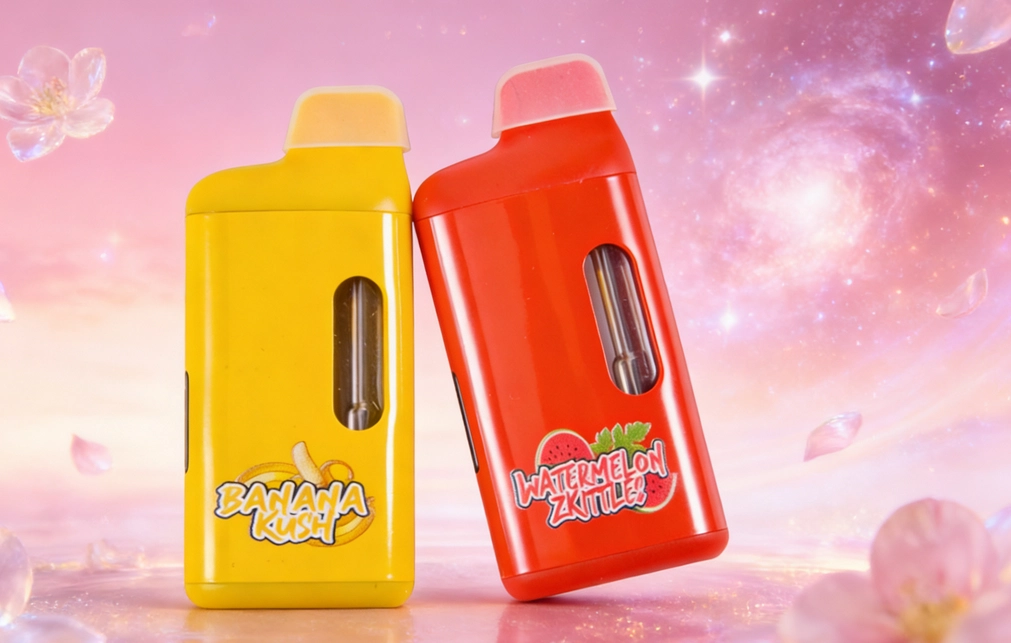
Exploring the Benefits of Using an ace packman vape for Your Vaping Experience (Hardware-Only)
Scope: device engineering only (empty hardware) — airflow, heating, battery behavior, materials, and quick QC. No regulations or liquid claims.
1) Consistent Flavor: Wick, Coil & Heat Balance
An ace packman vape typically uses micro-porous ceramic (or a ceramic-cotton composite) where thousands of capillaries pull liquid to the heater. Wicking speed follows the Lucas–Washburn relationship: capillary penetration scales with pore radius, surface tension, viscosity, and contact angle. In practice, tuning ceramic porosity and coil loading lets the wick replenish fast enough to prevent “dry zones,” so flavor remains stable across a session. :contentReference[oaicite:0]{index=0}
2) Natural MTL Draw You Can Measure
Good devices feel like a straw — not too tight, not too loose. Instead of guessing, benchmark the draw using the lab-standard puffing regimen: a 55 mL puff for 3 s every 30 s with a square (rectangular) profile. That profile is specified for machine vaping so results are comparable across batches and suppliers. Using it when you A/B test ace packman vape samples makes your data portable and repeatable. :contentReference[oaicite:1]{index=1}
3) Real Runtime: mAh + C-Rate (Not Just a Number)
Compact formats often advertise ~300–500 mAh, but runtime depends on the rate you pull current. Battery engineers describe this with C-rate: at 1C, a 400 mAh cell ideally delivers 400 mA for ~1 hour; at 0.5C, ~2 hours; at 0.2C, ~5 hours (losses vary). Keeping the heater demand so typical puffs sit around ~0.3–0.7C stabilizes voltage and heat rise, which preserves flavor late in the session. :contentReference[oaicite:2]{index=2}
4) Clean Power Delivery = Clean Taste
Boards in this class usually drive the heater with PWM and either constant-power or soft temperature-limiting logic. A well-tuned ramp (no big spike in the first 300–500 ms) brings the wick to equilibrium without scorching; consistent output also avoids the “one dense puff, one weak puff” pattern that users dislike.
5) Dual-Chamber Options Without Flavor Bleed
Dual-chamber ace packman vape variants let users switch between two reservoirs. The best designs isolate airpaths and use low-creep seals around the selector to prevent cross-aroma even after many toggles — delivering variety without contamination.
6) Useful UX: LED/Display That Reduces Complaints
Simple LEDs or a small display showing battery state, puff count, and clear fault cues (e.g., undervoltage/short) helps users pace sessions and avoid running the cell flat mid-use. When indicator logic matches the power curve, perceived lifetime aligns with reality, dropping “died too soon” tickets.
7) Premium Materials: Clear Window, Solid Shell
You’ll commonly see a PCTG or PC window for clarity and crack resistance paired to a coated polymer or metal shell for grip and scratch resistance. Tight tolerances at the tank–window seam plus the right seal durometer keep the exterior clean and reduce fogging under temperature swings.
8) Why Smooth Vapor Feels Smooth (Aerosol Science)
Multiple lab studies report mainstream e-cigarette aerosol with mass-weighted diameters commonly in the ~250–450 nm range (device and power dependent). That “sub-micron” zone explains a dense yet silky plume when the heater–wick pair is balanced; broader distributions tend to feel “spitty” and leave more condensate in the tip. :contentReference[oaicite:3]{index=3}
9) 10-Minute Bench QC You Can Run on Any ace packman vape
- Puff profile: 10 puffs at 55 mL / 3 s / 30 s; log aerosol mass per puff or device mass loss. :contentReference[oaicite:4]{index=4}
- Draw feel: measure pressure drop at your target flow; note ignition delay or flutter. :contentReference[oaicite:5]{index=5}
- Thermal steadiness: three back-to-back 5-s pulls; check for flavor fade/harshness.
- Condensate check: swab under the mouthpiece after 20 puffs; heavy film suggests airflow geometry issues.
- Battery sag: watch LED/screen under long pulls; early low-voltage cues hint that the load is too aggressive for the cell.
10) Spec Targets Cheat-Sheet (What to Look For)
| Subsystem | Practical Target | Why it Matters |
|---|---|---|
| Wick & Coil | Micro-porous ceramic tuned to liquid viscosity; nominal coil ~1.2–1.6 Ω; first-puff ramp ≤0.5 s | Stable supply + gentle ramp avoids dry hits and keeps taste consistent. :contentReference[oaicite:6]{index=6} |
| Air Path | MTL-leaning throat; pressure-sensor trigger repeatable; anti-condensation features near tip | Predictable ignition and less droplet carry-over. |
| Battery & Power | Match load so typical draw sits around ~0.3–0.7C; honest low-voltage cutoff | Steadier voltage platform and more believable “puff count.” :contentReference[oaicite:7]{index=7} |
| User Feedback | LED/screen with clear battery, puff, and fault cues | Fewer “died too soon” perceptions; easier demos. |
| Build & Window | PCTG/PC window; tight seam; shell coating for grip/scratch resistance | Premium feel, clean viewing, better drop resilience. |
Sources Behind the Engineering Points
- Machine-vaping standard conditions: ISO 20768 (55 mL, 3 s, 30 s; rectangular puff); CORESTA CRM 81 and overview confirming the same profile. :contentReference[oaicite:8]{index=8}
- Aerosol particle size: Ingebrethsen et al. report mass-weighted diameters commonly ~250–450 nm; review data set ranges align. :contentReference[oaicite:9]{index=9}
- C-rate & runtime thinking: Battery University primers on C-rate definitions and practical discharge implications. :contentReference[oaicite:10]{index=10}
- Wicking physics: Lucas–Washburn capillary flow in porous media (modern review + classical formulation). :contentReference[oaicite:11]{index=11}
::contentReference[oaicite:12]{index=12}
People can find vape bulk in following pages: ace packman wholesale | wholesale ace packman disposable | custom 2ml thc vape
0 Comments